
What is uPVC?
If you’ve ever wondered what is uPVC, it’s a durable, low-maintenance material commonly used for windows, doors, and other home fittings. Designed to withstand Wellington’s wind, rain, and coastal conditions, uPVC combines strength, energy efficiency, and long-lasting performance. Modern uPVC is suitable for both heritage and contemporary homes, offering a practical and stylish solution for homeowners looking for reliable, low-maintenance alternatives to traditional materials.
Understanding uPVC
uPVC stands for Unplasticized Polyvinyl Chloride. It’s a rigid, low-maintenance material used forTo properly answer the question what is uPVC, it helps to break down the name. uPVC stands for Unplasticized Polyvinyl Chloride, a rigid form of PVC that does not contain plasticisers. Unlike standard PVC, which is softer and more flexible, uPVC is firm and structurally stable, making it ideal for outdoor applications like windows and doors.
The material begins as PVC resin, created by combining chlorine and ethylene through polymerisation. During the conversion process, stabilisers and performance-enhancing compounds are added to strengthen the material and improve:
- Structural rigidity
- UV and weather resistance
- Thermal insulation
- Long-term durability
When asking what uPVC is made from, the important distinction is that its additives are chemically bonded into the structure. This prevents leaching and ensures long-term stability, safety, and performance.

What is uPVC Compared to PVC?
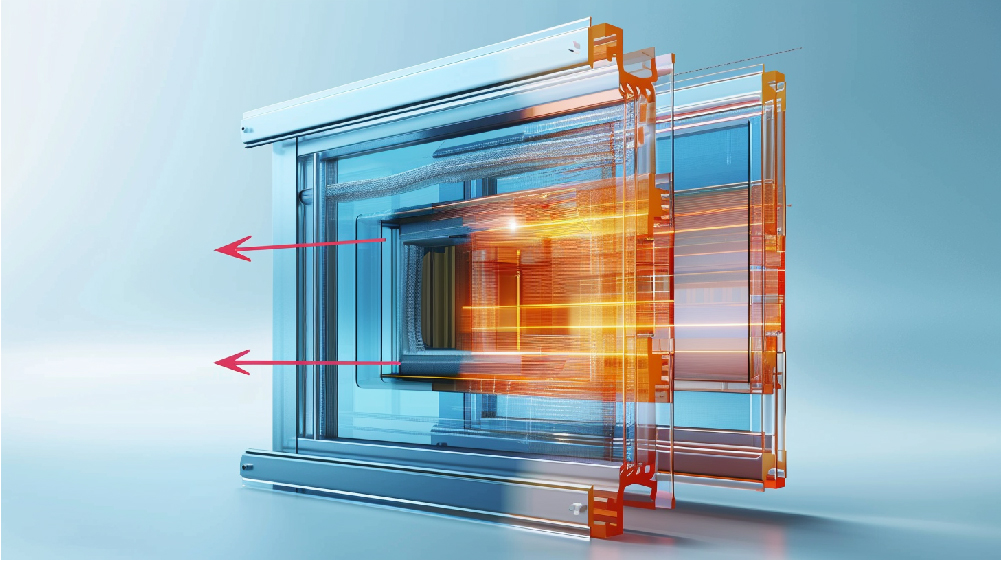
Understanding what uPVC is, also means understanding how it differs from regular PVC. While both materials share the same base polymer, their properties are very different.
PVC is flexible and used in plumbing, wiring insulation, and industrial applications. uPVC, on the other hand, is rigid and purpose-built for structural uses like window and door frames.
A simple way to explain what uPVC is compared to PVC is this: PVC is soft and adaptable, while uPVC is strong and stable. That rigidity is what makes it ideal for external joinery in residential homes.
What is uPVC Used For?
Another common question homeowners ask after learning what uPVC is, is where it’s used. Thanks to its durability and low maintenance requirements, it has replaced traditional materials such as painted timber and aluminium in many areas of the home.
Because it resists corrosion, warping, and fading, it performs exceptionally well in Wellington’s coastal and high-wind environment.
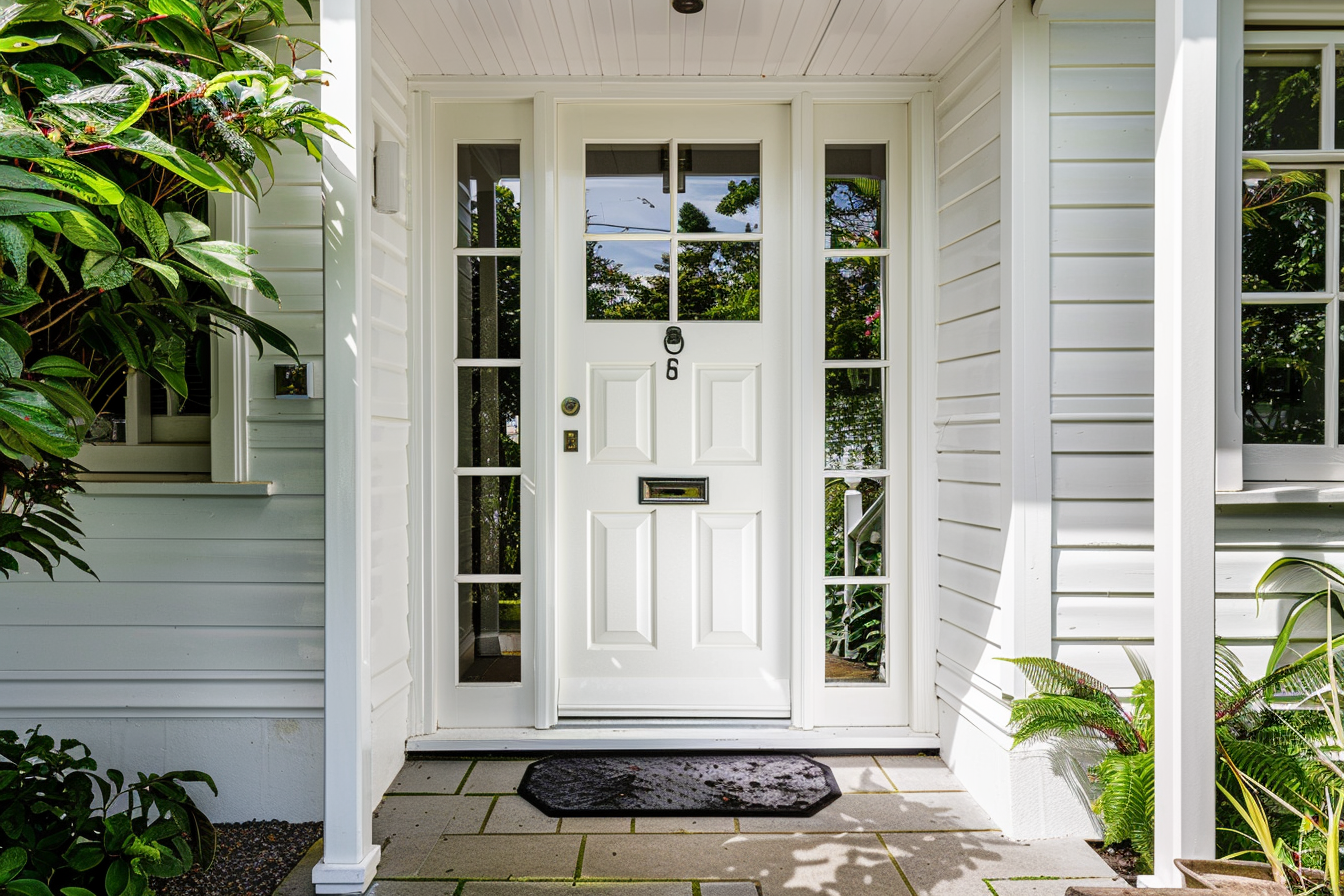
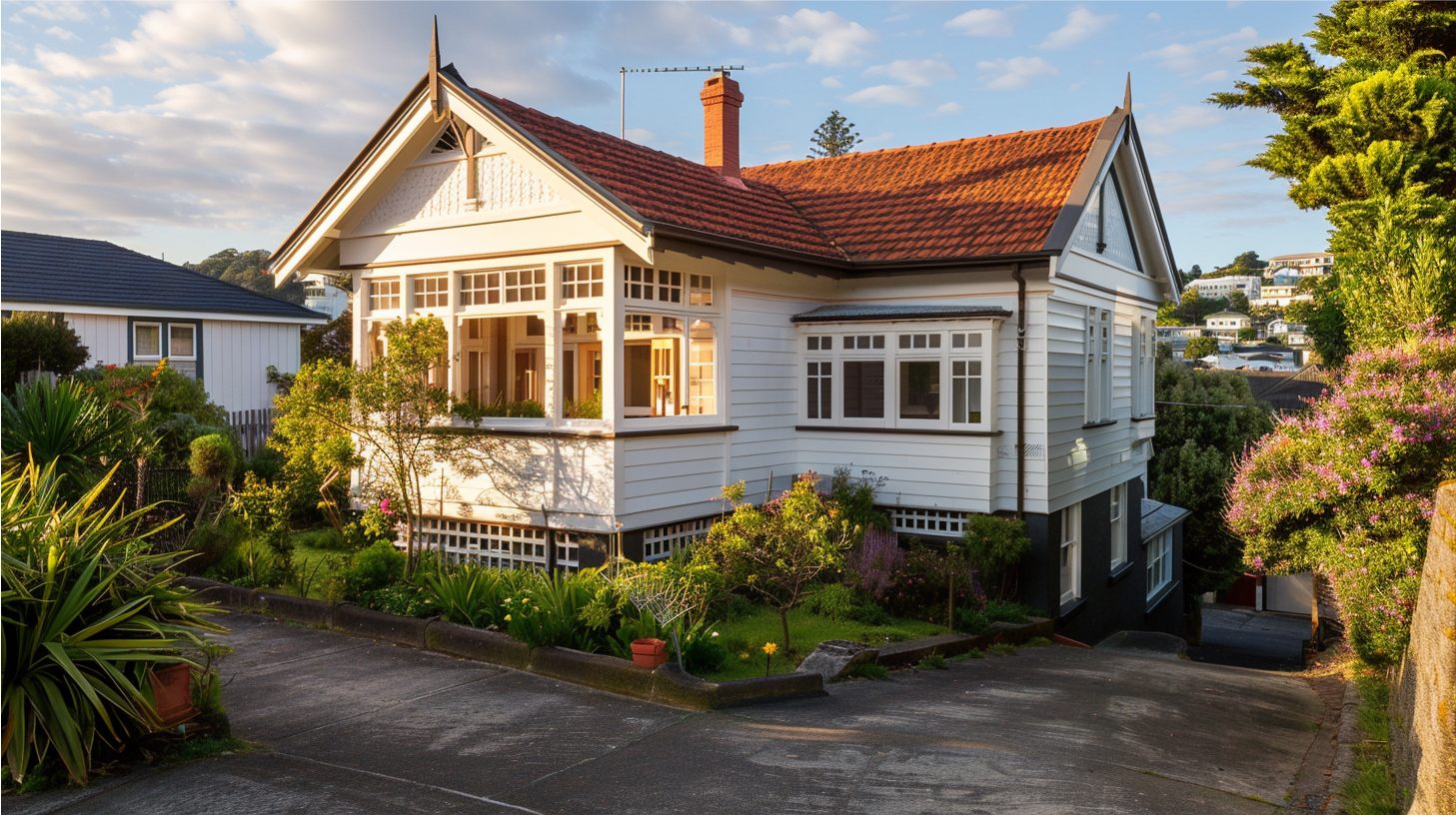
It’s commonly used for:
What is uPVC Compared to Aluminium?
Homeowners often move from asking what uPVC is to asking how it compares to aluminium frames.
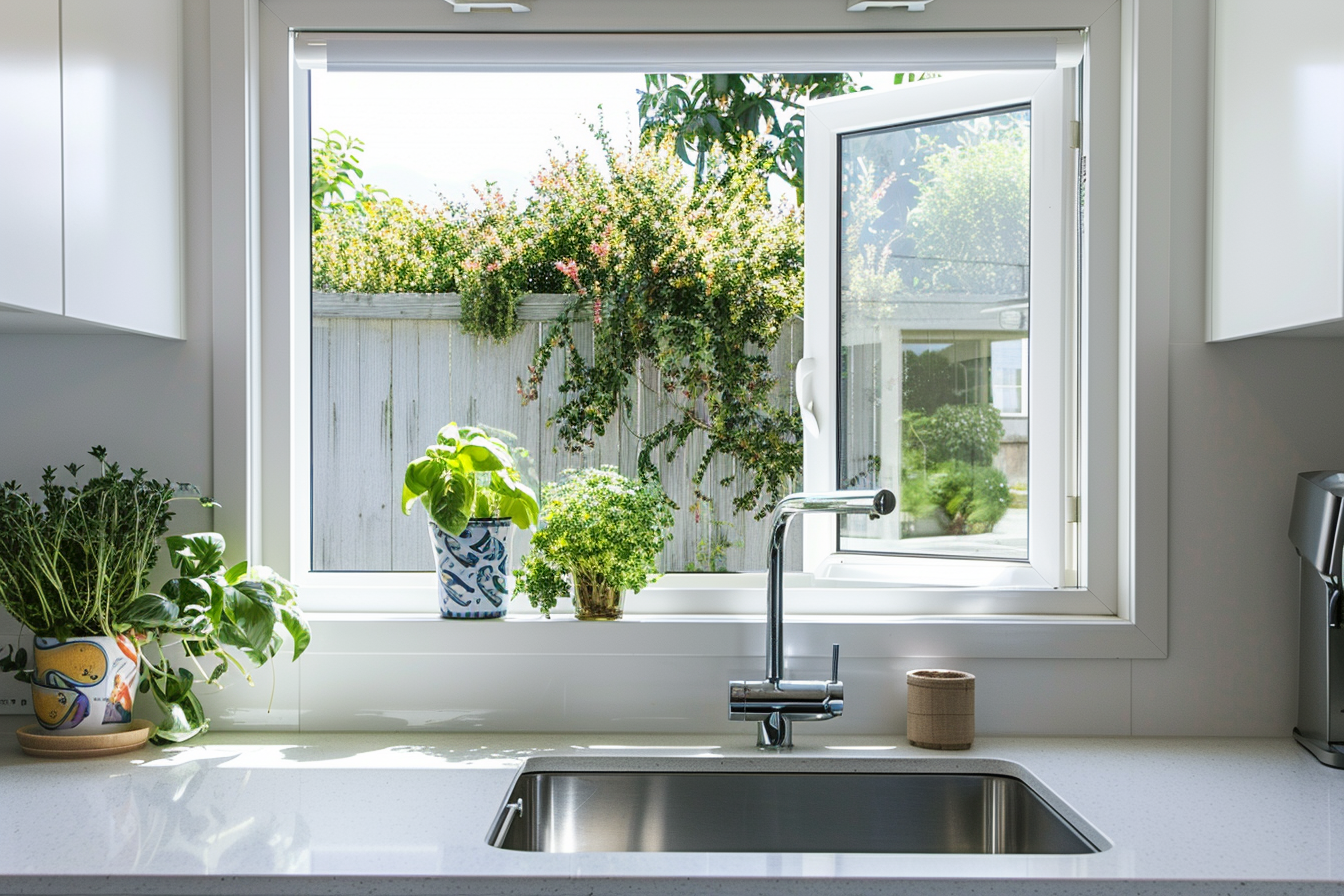
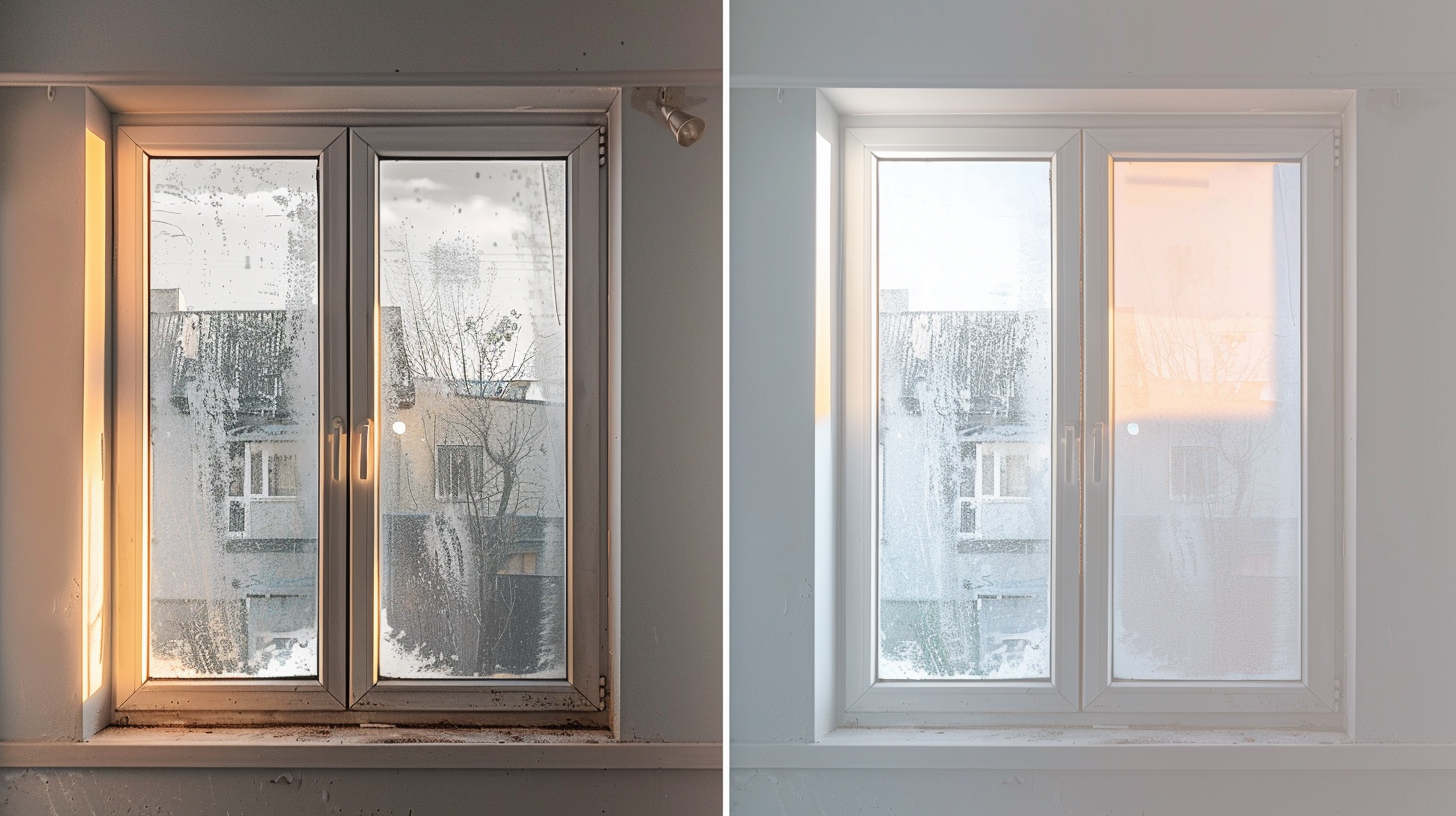
Aluminium is lightweight and strong, but it conducts heat very easily. This means frames can become cold in winter, increasing condensation and heat loss. In Wellington’s damp climate, this is a common issue.
uPVC is naturally insulating and features multi-chambered internal profiles that slow heat transfer. As a result, homes feel warmer, condensation is reduced, and heating costs can be lower over time.
Double Glazing with uPVC
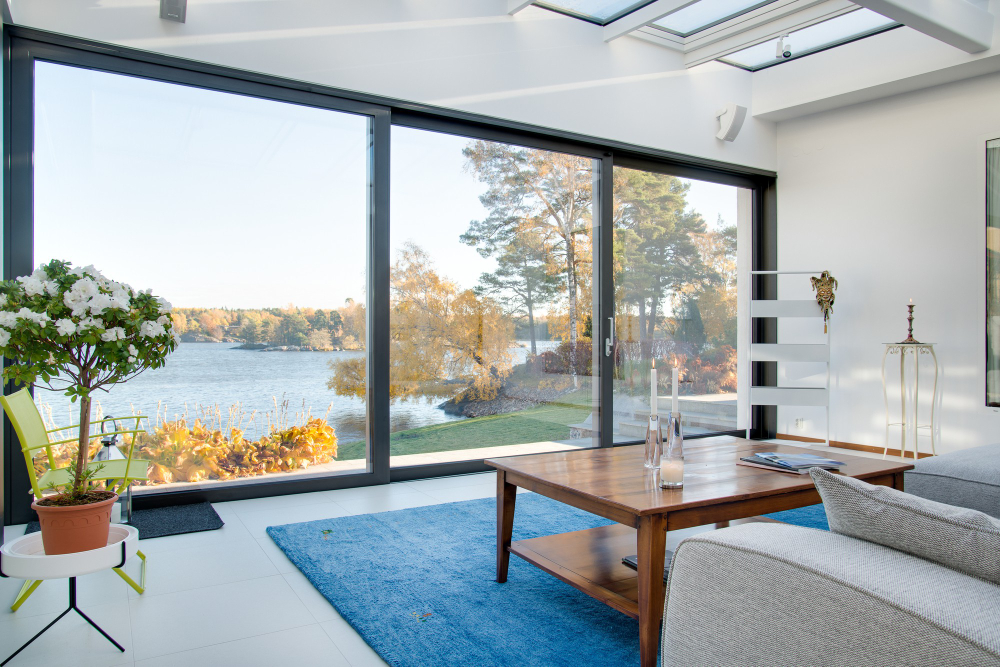
uPVC windows are perfect for double glazing, which involves two layers of glass with an air or gas-filled cavity in between. The benefits include:
- Enhanced thermal performance – keeps homes warmer in winter and cooler in summer
- Noise reduction – ideal for windy areas or busy streets
- Improved condensation control – reduces damp spots and mould
- Energy efficiency – lowers heating and cooling costs over time
Combined with uPVC frames, double glazing ensures maximum comfort, savings, and long-term value for homeowners.
Benefits of uPVC for Wellington Homes
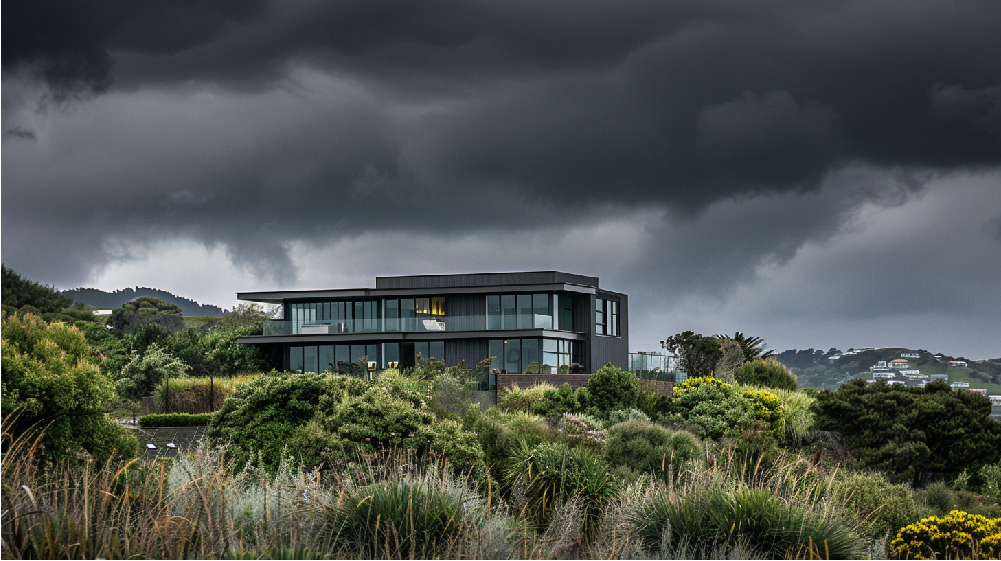
Wellington homes face strong winds, damp winters, and coastal salt exposure. uPVC excels in these conditions:
- Naturally insulating – maintains a comfortable indoor temperature
- Resistant to corrosion – and no warping, or fading
- Low-maintenance – easy to clean, no painting required
- Strong against wind and weather – secure, airtight, and quieter indoors
Installing uPVC windows and doors can reduce heating costs, improve indoor comfort, and significantly cut condensation issues often seen with aluminium frames.
Sustainable and Safe Material
Modern uPVC is produced without harmful additives such as BPA or phthalates, making it safe for families and the environment. Many uPVC products are fully recyclable, giving them a sustainable lifecycle and reducing waste.
With its long lifespan, low environmental impact, and energy efficiency, uPVC is a smart investment for Wellington homeowners.
Ready to experience the difference?
If you’re looking for warmer, drier, and more comfortable living, uPVC could be the solution you’ve been searching for.
Get in touch today for a free, no-obligation quote.