
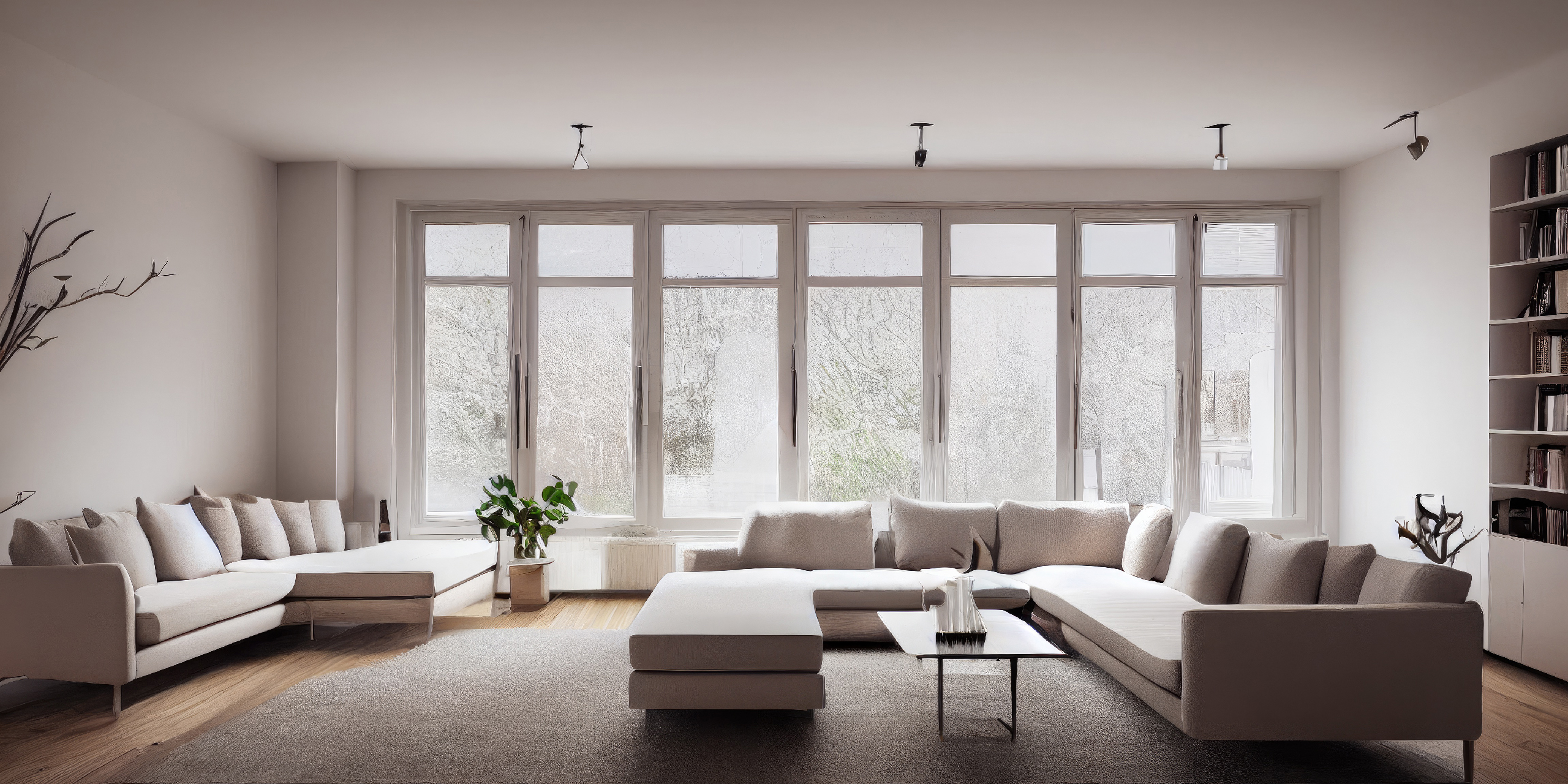

uPVC vs Aluminium Windows Wellington – Which Is Better?
Choosing between uPVC vs aluminium windows in Wellington has a major impact on your home’s warmth, condensation levels, and long-term energy costs. In Wellington’s cold, windy climate, traditional aluminium systems often fall short.
uPVC windows and doors offer superior thermal performance, improved comfort, and long-term value for Wellington homeowners.
Built for warmth and comfort
uPVC is a naturally insulating material that helps keep homes warmer in winter and cooler in summer. Because uPVC conducts heat far more slowly than aluminium, it reduces heat loss through frames and glazing, helping your home maintain a stable internal temperature.
In real-world terms, uPVC is significantly more thermally efficient than aluminium thanks to its low thermal conductivity and multi-chamber design.
Real R-Value comparison (typical Wellington home):
| Window Type | R-Value | Performance vs Aluminium |
|---|---|---|
| Aluminium + double glazing (thermally broken) | R 0.31 | Baseline |
| uPVC + standard double glazing | R 0.36 | up to 140% better |
| uPVC + Low-E double glazing | R 0.74 | up to 390% better |
This improved thermal performance can translate into 30–40% lower heating costs over time — a real saving Wellington homeowners notice.
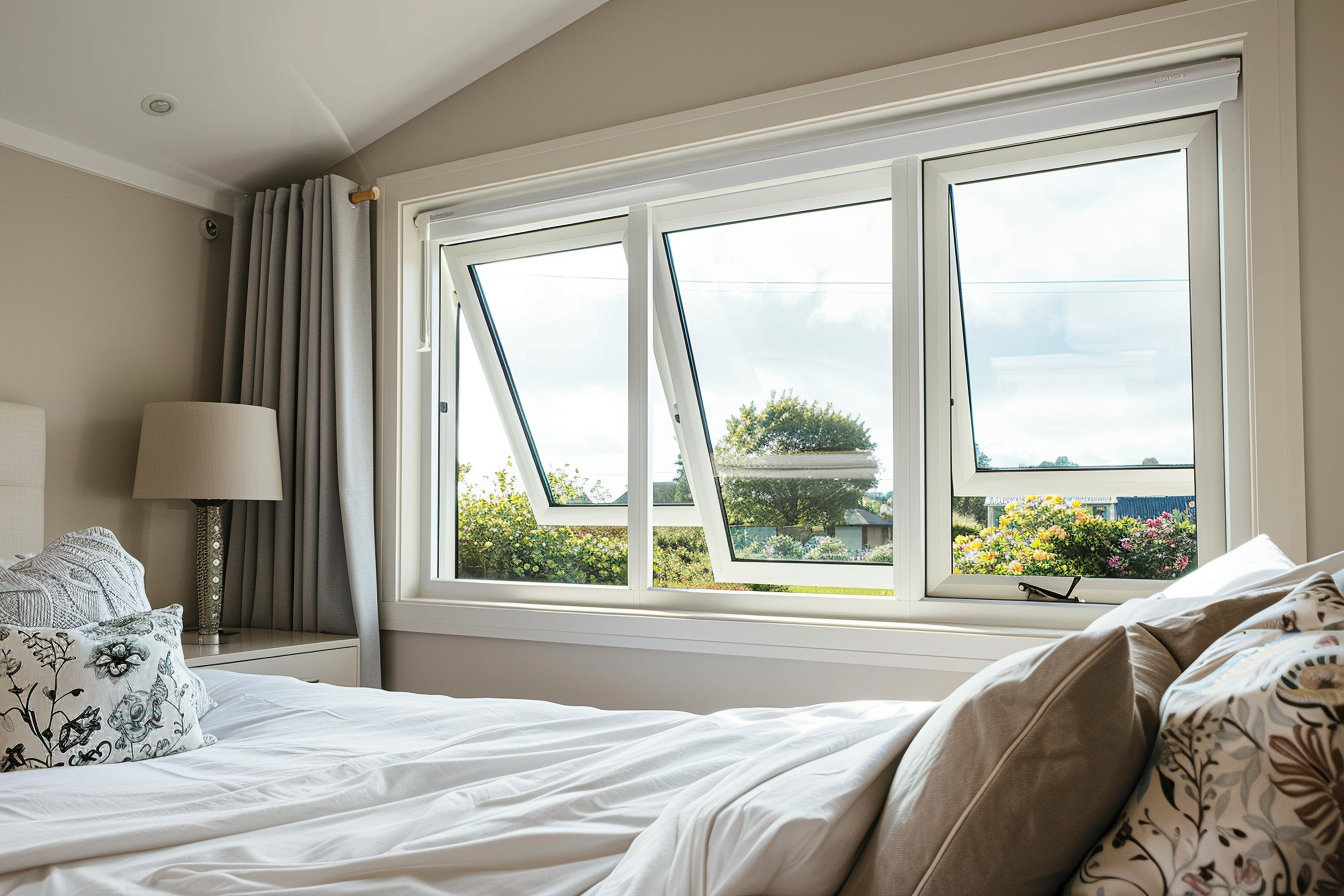
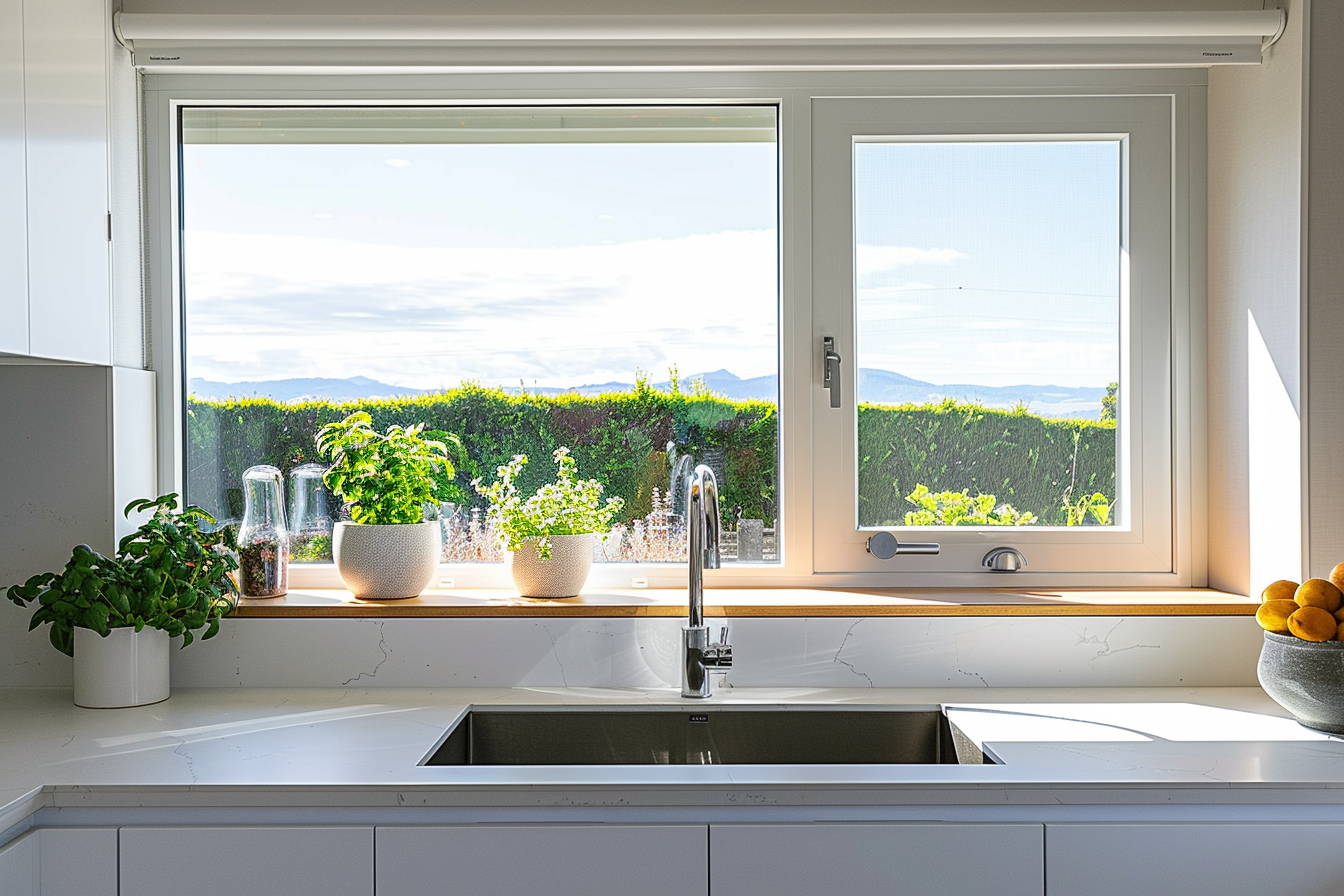
Why Wellington Homeowners Are Choosing uPVC vs Aluminium Windows in Wellington
Choosing the right windows and doors has a big impact on the comfort, health, and energy efficiency of your home – especially in Wellington’s climate of strong winds, cool winters, and persistent condensation.
Traditional aluminium systems often fall short in these conditions. uPVC windows and doors deliver dramatically better thermal performance, condensation control, weather resistance, and long-term value, making them the smarter choice for Wellington homes.
Thermal conductivity measures how easily a material transfers heat.
- Aluminium: 160 W/m·K (Watts per meter-Kelvin)
- uPVC: 0.16 W/m·K (Watts per meter-Kelvin)
The lower the number the more efficient. This makes uPVC 1000 times more thermally efficient than aluminium and explains why aluminium frames become cold to the touch while uPVC frames remain warm – improving comfort and reducing condensation.
Why Aluminium Frames Get Wet & uPVC Stays Dry
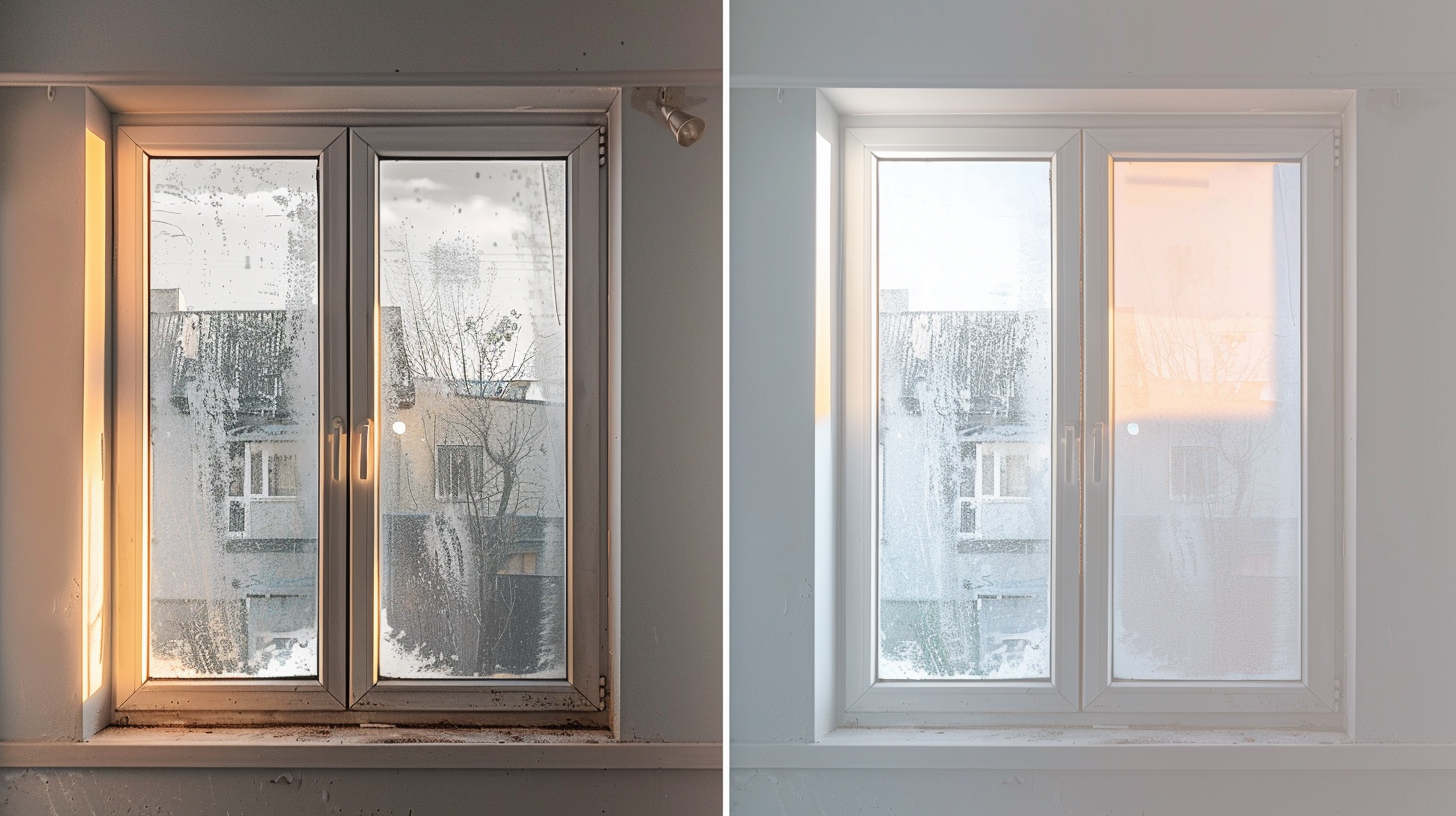
Condensation happens when warm indoor air meets a cold surface. Wellington homes typically sit around 50–60% indoor humidity — enough to cause moisture to form on cold aluminium frames every winter.
Here’s the temperature math:
- At 20°C indoors and 5–10°C outside, aluminium frame surfaces can drop below the dew point (9°C) and cause water to form.
- uPVC frames stay warmer, meaning condensation is significantly less likely until humidity reaches over 70%.
The result? uPVC frames stay dry, reducing mould, wall damage, and daily wiping.
We wiped condensation every morning for 15 years. Since installing uPVC — not one drop.”
– David R, Ngaio
Engineered for New Zealand’s Windiest City
uPVC systems are engineered with multi-chamber profiles, robust seals, and high-quality hardware to perform in these conditions – providing excellent air tightness, strong wind resistance, and long-lasting durability.
Unlike aluminium (which can corrode over time), uPVC is immune to salt corrosion and retains performance in coastal environments.
When installed correctly, uPVC windows and doors create a solid, weather-tight barrier. Draughts are reduced, rattling is minimised, and indoor spaces feel quieter and more stable – even during Wellington’s strongest winds

Excellent resistance to air leakage
Strong structural integrity
Reduced draughts and rattling
Improved acoustic performance in windy conditions

Ideal for heritage and modern homes
Modern uPVC profiles aren’t just functional — they’re refined and adaptable. Slim sightlines, traditional colour options, and a wide range of opening types mean uPVC can complement character villas, bungalows, and contemporary builds alike.
Whether you’re preserving heritage character or upgrading an existing home, uPVC provides performance without compromising style.
The Real Cost of Aluminium vs uPVC in Wellington
Looking at the 40-year ownership statistics reveals where real savings occur:
- Aluminium systems often have higher ongoing heating costs, occasional maintenance, and potential condensation damage.
- uPVC systems deliver lower heating costs, minimal maintenance, and superior durability over decades.
This long-term value – combined with reduced energy use and better home comfort – makes uPVC a smart investment for Wellington homes.

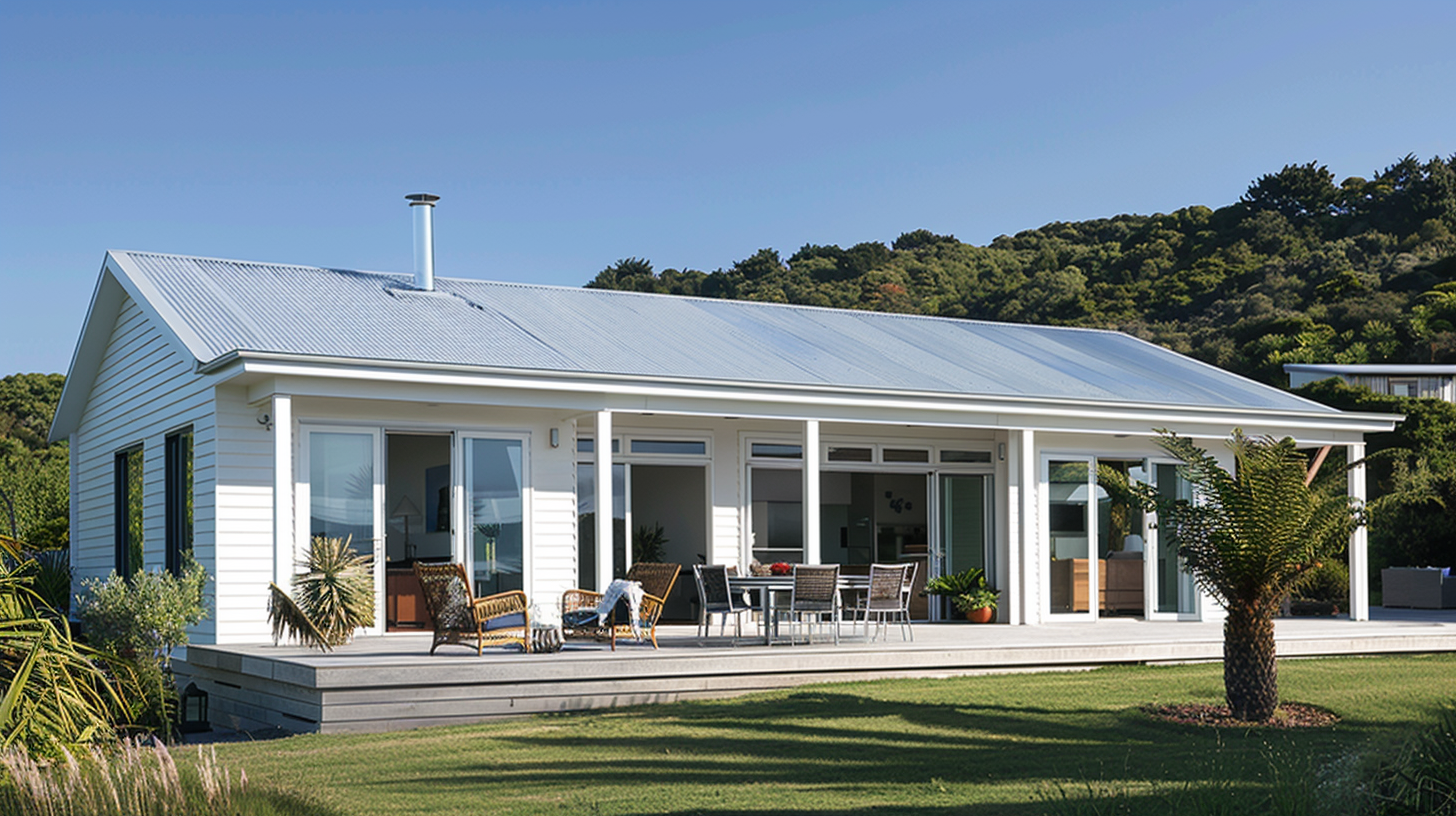
Myth-Busting: Pricing Reality
Many homeowners think uPVC must be more expensive than aluminium — but when comparing quality products with quality specifications, the difference often isn’t as large as expected. In many cases, premium uPVC systems offer better performance for similar investment, especially when lifetime cost savings are factored in.
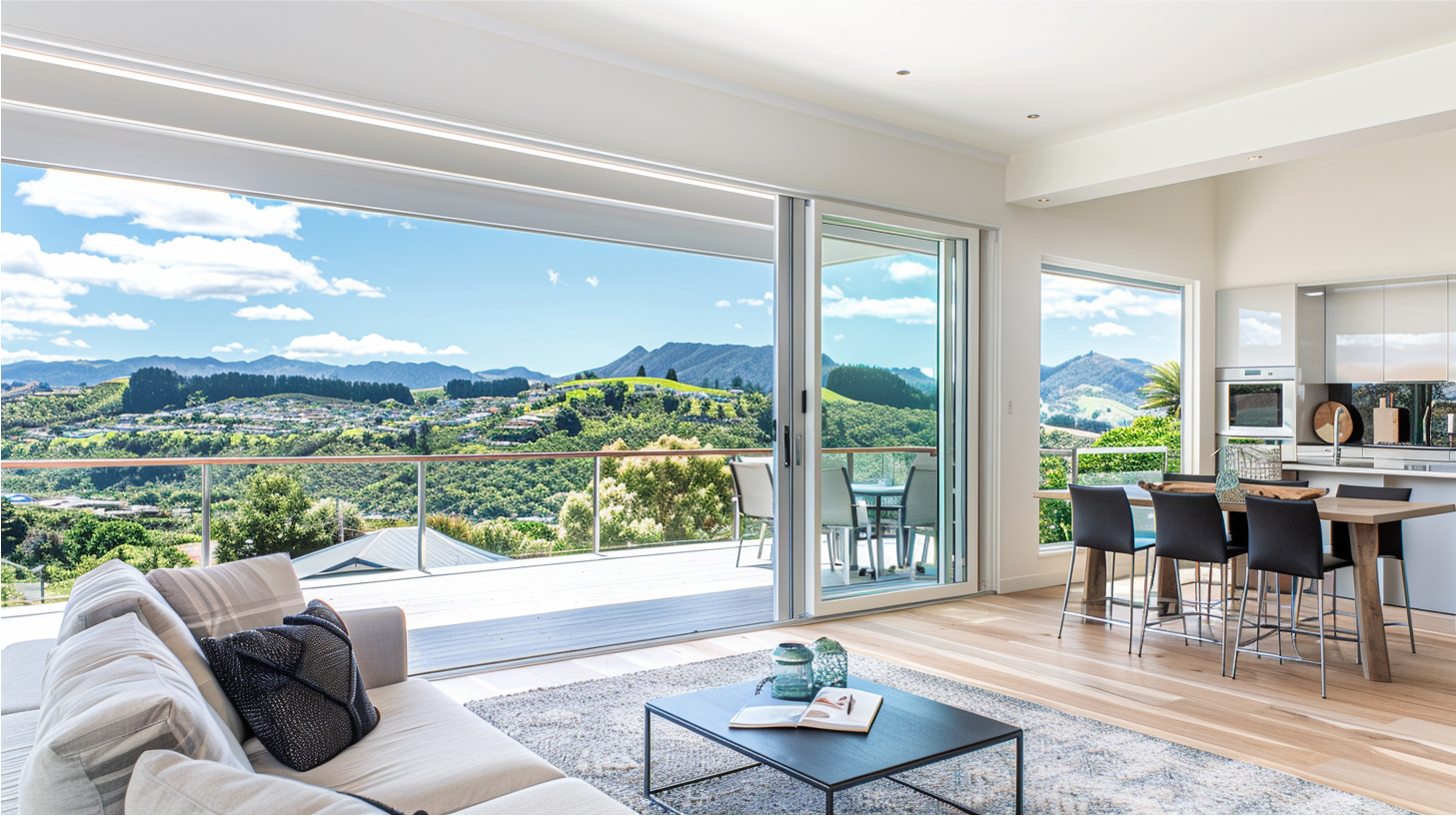
Is uPVC right for your home?
Every home is different. Factors like location, wind zone, orientation, and existing window condition all play a role in choosing the right solution.
Our team can assess your home and recommend the best uPVC options for your needs — whether you’re replacing old aluminium windows, renovating a character home, or building new.
Ready to experience the difference?
If you’re looking for warmer, drier, and more comfortable living, uPVC could be the solution you’ve been searching for.
Get in touch today for a free, no-obligation quote.